
oem tinted glass
Introduction to Tinted Glass Tinted glass is a versatile material that combines functional benefits with aesthetic appeal. By incorporating specific colorants during the manufacturing process, tinted glass offers enhanced solar control, reduced glare, and a wide range of color options. This article explores the features, advantages, technical specifications, and applications of tinted glass, along with insights into its manufacturer, SHAHE SHOTT GLASS Co., Ltd. , and its role in modern architecture and design. Key Features of Tinted Glass Tinted glass is engineered to address two primary challenges: heat absorption and sunlight intensity. These features make it an ideal choice for environments where energy efficiency and visual comfort are critical. 1. Superior Solar-Radiation Absorption According to research by the National Institute of Standards and Technology (NIST) , solar control glass plays a vital role in reducing energy consumption in buildings. Tinted glass demonstrates superior solar-radiation absorption compared to clear float glass. For instance, a 6mm thick clear float glass has a heat transmittance of 84%, while tinted glass reduces this to approximately 60%. The darker the color, the lower the heat transmittance, making it an effective solution for regions with intense sunlight. 2. Reduced Sunlight Intensity In areas with high solar exposure, such as deserts or low-latitude regions, tinted glass effectively softens sunlight, reducing glare and improving indoor comfort. This feature is particularly beneficial in commercial and residential buildings where excessive brightness can cause visual fatigue. Additionally, advanced coating technologies allow the transformation of tinted glass into reflective glass , further enhancing its energy-efficient performance. Advantages of Tinted Glass The benefits of tinted glass extend beyond its technical properties, offering practical and aesthetic value: 1. Energy Efficiency By minimizing heat gain, tinted glass reduces the need for air conditioning, lowering energy costs. NIST studies emphasize the importance of energy-efficient materials in sustainable building design, and tinted glass aligns with these goals. 2. Visual Comfort Excessive sunlight can cause discomfort and reduce productivity. Tinted glass balances natural light, creating a more pleasant indoor environment. This is especially valuable in workplaces and residential spaces. 3. Aesthetic Flexibility Available in a range of colors, including grey tinted glass , blue tinted glass , and black tinted glass , this material allows for creative design solutions. It enhances the visual appeal of facades, interiors, and automotive applications. Technical Specifications of Tinted Glass Parameter Details Size (mm) 1650x2140, 1830x2440, 2140x3300, 2440x3300, or custom sizes Thickness 4mm, 5mm, 6mm, 8mm Colors Golden Bronze, Euro-Bronze, Dark Grey, Euro Grey, Black, F-Blue, Dark Green, F-Green, Ocean Blue, Gray, and more Applications Architectural facades, furniture, interior decoration, automotive glass Applications of Tinted Glass Tinted glass is widely used across various industries due to its functional and aesthetic benefits: 1. Architectural Use In commercial and residential buildings, tinted glass is a key element of façades. It mitigates glare, improves thermal comfort, and enhances the visual appeal of structures. For example, grey tinted glass is popular for its modern, sophisticated look. 2. Interior Design Interior spaces benefit from the use of tinted glass in partitions, mirrors, and decorative elements. Its ability to control light levels adds a touch of elegance while maintaining functionality. 3. Automotive Industry In vehicles, tinted glass reduces glare for drivers, improving safety. It also provides privacy and enhances the vehicle's aesthetics. About SHAHE SHOTT GLASS Co., Ltd. SHAHE SHOTT GLASS Co., Ltd. is a leading manufacturer of high-quality glass products, including tinted glass . With a focus on innovation and customer satisfaction, the company offers a wide range of glass solutions tailored to diverse applications. Their expertise in processing tinted glass includes cutting, tempering, and laminating, ensuring that clients receive customized, high-performance products. Conclusion Tinted glass is a transformative material that addresses the dual challenges of heat management and visual comfort. Its technical specifications, diverse color options, and wide-ranging applications make it an essential component of modern architecture and design. As highlighted by NIST research on energy-efficient materials, tinted glass represents a sustainable and aesthetically pleasing solution for contemporary building needs.



Our application
-
 read more
 -
 read more
 -
 read more
 -
 read more
 -
 read more
 -
 read more
news and information
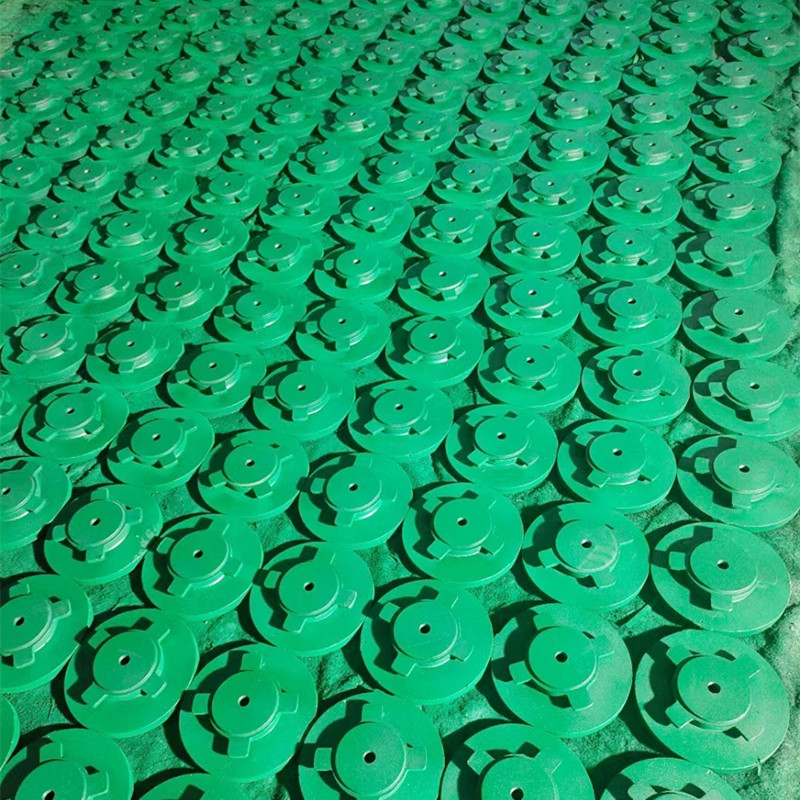
Y Type Strainer Featuring Convenient Drain Valve for Efficient Fluid Filtration
Understanding Y-Type Strainers with Drain Valves In industrial settings, efficient fluid management

valve manufacturer
Navigating the landscape of valve manufacturers can be a challenging endeavor, particularly when sea

Valve Solutions for Industrial Applications _ Precision Engineering & Innovation
The Evolution of Valve Technology in Modern Industries In recent years, valve technology has become